Rendering bottleneck analysis
We examine overdraw, shadow cascade cost, and shader complexity using your profiler data. Targets are specific — not "reduce draw calls" but which batches, which materials, and at what camera distance.

Performance problems in AR/VR are specific and often invisible until a headset is on. Uqelmars works directly with your project data to find what's costing frames and why.
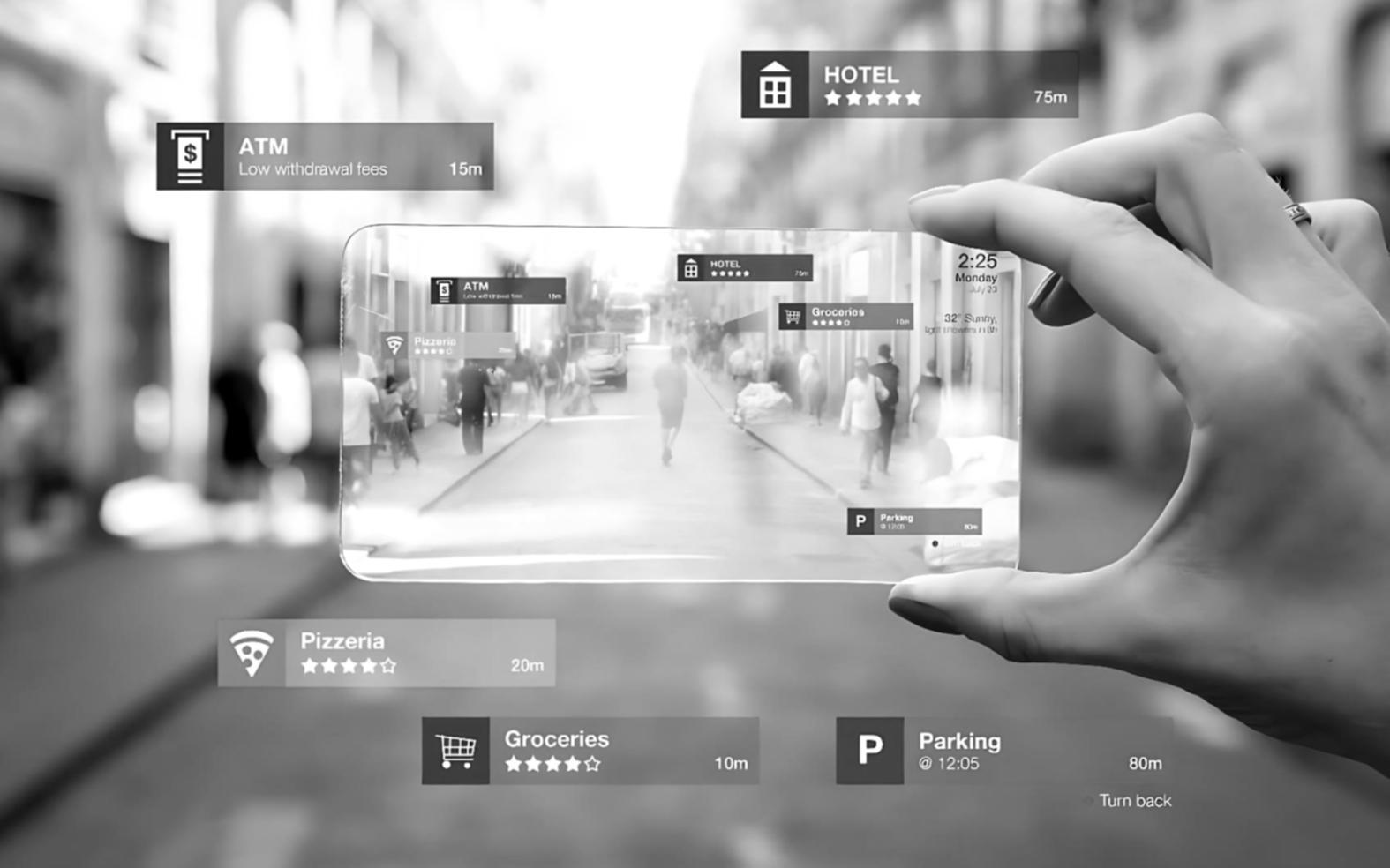

Frame drops in AR/VR rarely have a single cause. A session with Uqelmars works through the layers — GPU, CPU, memory, and draw call structure — to locate where time is actually being lost.
We examine overdraw, shadow cascade cost, and shader complexity using your profiler data. Targets are specific — not "reduce draw calls" but which batches, which materials, and at what camera distance.
Stalls between CPU submission and GPU execution cause frame timing spikes that feel worse in a headset than on a monitor. We trace the fence points and restructure submission order where needed.
Texture atlasing, mip bias, and runtime asset streaming all interact differently on mobile XR hardware. We review your asset pipeline against the actual memory budget of your target device.
Quest 3, HoloLens 2, and PC VR each have distinct constraints. Foveated rendering configuration, fixed foveation levels, and reprojection settings are reviewed per platform.
If something isn't covered here, reach out directly. Sessions are arranged individually and we're straightforward about what we can and can't help with.
Each consultation focuses on the specific performance issues in your AR/VR application — frame rate drops, GPU bottlenecks, draw call overhead, or memory pressure. We work through your actual codebase and profiler data, not generic advice.
Sharing profiler captures or build logs beforehand helps significantly. If you have RenderDoc, PIX, or Unity Profiler data, bring it. If not, we can walk through capturing it together during the session.
Yes. All sessions are conducted remotely, which lets specialists familiar with regional project contexts work directly with clients regardless of location.
We work across Unity and Unreal Engine, targeting Meta Quest, HoloLens, ARKit, ARCore, and PC VR platforms. Engine version and target hardware both affect the approach, so we tailor each session accordingly.
It depends on the complexity of the problem. Some issues — a misconfigured render pipeline or unnecessary shadow casters — resolve quickly once identified. Others require follow-up work on your side. We're direct about the scope before you commit to anything.